

Oakland Housing Element
With state housing authorities approving in February 2023 Oakland’s Housing Element, a mandatory plan outlining how the city addresses housing development in 2023-2031, attention has shifted to its implementation. General Plan Phase 1 Preliminary Zoning Code Amendments intended to implement actions in the 2023-2031 Housing Element Housing Action Plan have been released, heard by the Planning Commission’s Zoning Update Committee on May 15 , and are available for public comment until May 5, 2023.
The Housing Element is part of the Oakland General Plan, whose revision began in November 2021 and will proceed in two phases. Once approved in 2025, the General Plan will guide the development of our City for the following two decades. The Oakland 2045 General Plan crafts a new direction for the future of Oakland, one focused on creating an equitable and just city. To learn more about the General Plan Update, visit bit.ly/OaklandGPU and sign up for announcements.
Phase I (until Summer 2023) includes zoning code and zoning map updates, a California Environmental Quality Act (CEQA) review and other updates. Phase II (from Fall 2023) includes the update of the Land Use and Transportation Element (LUTE); Open Space, Conservation, and Recreation Element (OSCAR); Noise Element; and the development of a new Infrastructure and Facilities Element. Phase II also includes zoning updates and CEQA review.
The current proposed Planning Code amendments could significantly transform Rockridge. “Missing middle” housing amendments will redefine zoning designations and change the development standards in single-family neighborhoods like Rockridge to allow for a range of small-scale multi-unit housing types such as duplexes, townhouses and smaller apartment buildings. The minimum lot size in Oakland decreases from 4000 sq. ft. to 2000 sq. ft. All Rockridge RM and RD zones will allow 4 units or more on lots >4,000 sf and 2 units for lots < 4000. Setbacks will be reduced, building heights raised, maximum lot coverage and floor area ratio increased, and encroachment in the rear setback allowed for regular units to accomplish the higher density. An example of missing middle housing from the *** website is shown in Figure 1.
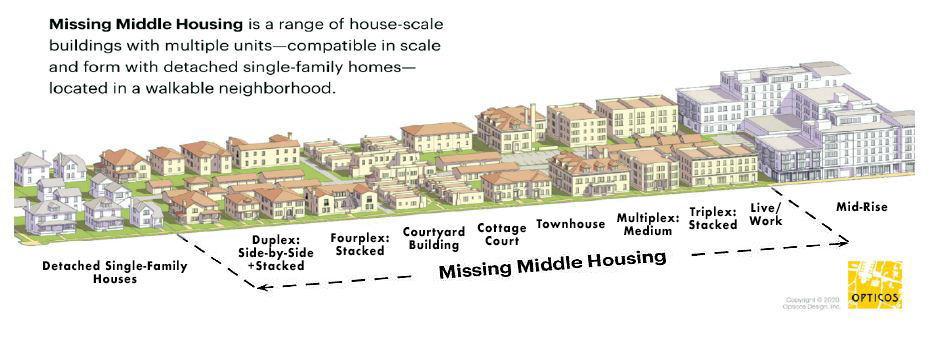
Figure 1: Examples of Missing Middle Housing Types. Source: https://missingmiddlehousing.com/.
Parking requirements are changed. No minimum parking spaces are proposed for residential types within 0.5 mi of a major transit stop or the BART zone, which is most of Rockridge. Nor do 100% affordable projects or rooming houses have any minimum parking requirements.
The City is soliciting feedback on the State HCD’s comments to consider upzoning all of the area shown in the figure around Rockridge to RM-4 during the rezoning process. The intent is to allow a broader range of housing options at different price points within our “high resource area”. Half of Rockridge currently zoned RM-1 will be upzoned to RM-4, as shown in Figure 2. The principal differences between RM-4 and other RM zones lies in whether 5 or more units can be accommodated on lots greater than 4,000 ft and whether commercial zoning is by right or by conditionally allowed. The RCPC submitted a letter supporting the upzoning and requesting all of Rockridge have the RM-4 zoning.
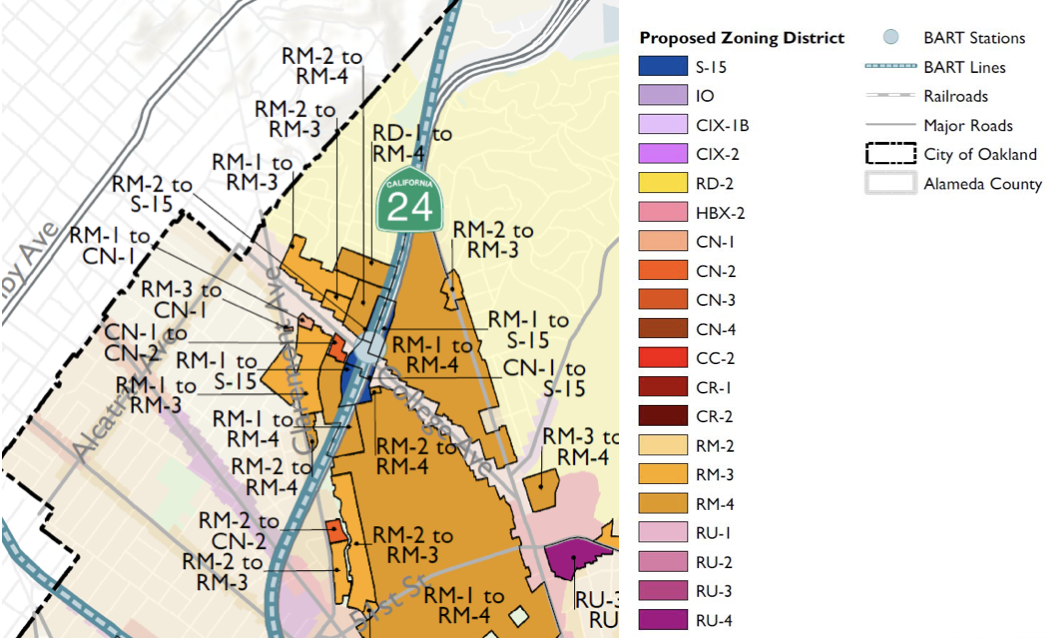
Figure 2: Existing Zoning and Proposed Zoning Changes
Maximum commercial building heights in Rockridge locations will be higher in the proposed zoning. College Ave. building heights will increase from the current 35 to 55 ft. The newly rezoned BART station maximum height will be 175 ft. At an April 13, 5:30pm meeting on TOD development at the Rockridge BART, the community’s input will be solicited. Updates will be available on rockridge.org.
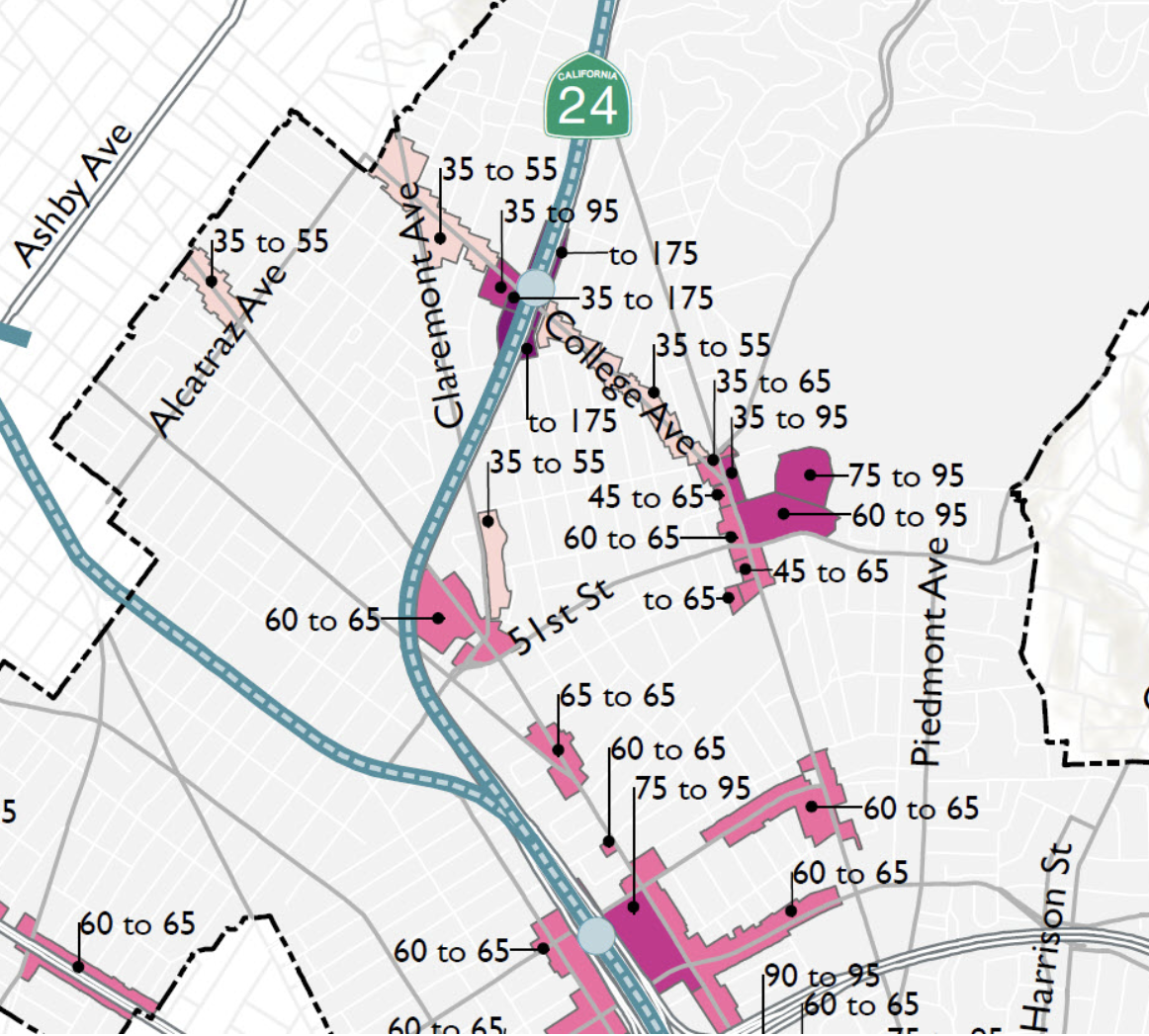
Figure 3: 2Proposed and existing commercial building heights
An Affordable Housing Overlay (AHO) Zone has been proposed to create affordable housing restricted for extremely low, very low, low, and/or moderate income housing. It creates by-right approvals and other incentives for qualifying 100% affordable housing developments. Bonus heights (2 stories above the maximum permitted building height in the base zone), relaxed development standards, and elimination of density maximums within the allowed building envelope of new or existing structures are among the elements. These projects will have by-right (or ministerial) approval, CEQA exemption and the approval will be non-appealable. Sites less than 15,000 sq. ft. can qualify as 100% affordable with lesser percentages of restricted moderate income, low income or very low income units. The AHO would be apply in Very high Fire Hazard areas, or areas with historical significance (API). The Affordable Housing Overlay includes almost all of Rockridge.
A Housing Sites Overlay Zone has been proposed to facilitate housing opportunities within Oakland and encourage development of sites identified in the Housing Element housing sites inventory. More information on this overlay will be in May 2023 Rockridge News.
Upcoming Meetings
The Planning Commission’s Zoning Update Committee will discuss the proposed zoning amendments at its April 12 meeting. The City plans to hold a Townhall in April 2023 (check rockridge.org for date). The final zoning amendments should be released during the summer and then go to City Council.
For more information, visit bit.ly/OaklandGPU and sign up for announcements.
