

Hardened, Not Hollow: The Art of Fire-Smart Landscapes
by Matt Zimbalist
In the East Bay, our gardens, hills, and wild spaces are our sanctuaries. They are the places where we spend weekend hours toiling in the soil, where we measure the seasons by how green or brown the grasses are, and where we get to test our green thumbs. With the arrival of stricter state and local fire-safety mandates and the critical need for Zone Zero (Zone 0) compliance, we are currently living through a shift in how we inhabit our California landscape–having to reevaluate how best to protect our homes and communities from fire danger. There is a fear that fire-hardening is synonymous with stripping away. We worry that to save our homes, and make our communities more resilient, we must first make our homes unrecognizable—replacing lush planted entries with monotonous grey gravel, replacing our open architectural eaves for closed industrial aluminum siding and soffits, and clear cutting our shrubs and trees.
We can have both: a home and garden that acts as a solid buffer from embers and flames and also a sanctuary for the home dweller and neighbor on an evening stroll. It takes a holistic view, a reframing of a new responsibility in California, a bit of craftsmanship, and a new respect for the materials and plants we choose to surround ourselves with.
Rethinking Zone 0
Im a General Contractor and Landscape Construction Contractor, focused a lot more on fire-smart landscaping and home hardening these days. In the building trades, we talk a lot about Zone 0—the immediate five-foot ember-resistant zone surrounding a home. This is the most critical area for protecting a home, as wind-blown embers pile up in this zone, burn what they can and transfer that flame to the home. Zone 0, like Berkeley’s new EMBER Initiative mandate, asks us to remove all combustible materials within these five feet—mulch, woody shrubs, grasses, wooden fences and gates, furniture, and even sometimes the welcome mat.
By removing all combustible materials in this five-foot zone, we really can harden our homes, protect them from ignition and in doing so, protect those of our neighbors. While this mandate can feel onerous and overwhelming, it also offers us a unique opportunity…to get in touch with our gardens and landscapes once again, respond to the new California times we live in, and upgrade to fire-smart gardens that can enhance the beauty in our neighborhoods and protect homes.
Breaking the Fuel Ladder
Fire spreads by climbing and eating up fuel sources quickly along its way. In an unmanaged garden, it finds a fuel ladder—the dry, woody brush and low-hanging limbs that allow a ground fire to climb into the tree canopy. Fire-hardening the landscape does not mean clear-cutting, although more often than not that is the approach taken. It means limbing up and thinning out. It’s about creating horizontal and vertical separation—industry terms that essentially mean giving our plants room to breathe and grow, in some ways mirroring what our neighboring forests are needing to be more fire and disease resilient.
Understandably not in our original garden designs, but if we remove these fuel ladders and create adequate separation between plants, we actually can improve the health of the garden and improve the fire hardening of the home. We can create rather attractive sightlines that weren't there before. We allow light to reach the floor of the garden, encouraging the growth of fire-resistant, succulent groundcovers and native perennials that stay green and lush even in the height of summer, promoting soil health and increasing soil moisture retention. It's a reframing to becoming a fire-smart gardener.
Adding Hardscaping or Rock to the Garden
Instead of disinteresting gravel especially in that Zone 0, imagine a well designed meandering path of local river stone and rough edged pavers that anchors the home to the ground. Using small stone walls or stone benches can help enable mini fire breaks into a hillside landscape or integrating hand-set flagstones can create plant separation from other plants or structures while enhancing the beauty and flowiness of a garden. Think steel-edged borders for bio-breaks or boulders and rockwork to add height and dimensionality while addressing fire boundaries and the Zone 0 area. Think fire-resistent gravel or compost mulches and fire-smart plants like yarrow or sedum that retain water and don't create needs for heavy ongoing maintenance and thinning.
Community Resilience
We are currently living through a shift in how we inhabit the California landscape. The mandates are a nudge—albeit a firm one—to acknowledge that our homes are part of a larger, living system that is changing around us. In a neighborhood, we share a continuous fuel bed, and thus a shared responsibility, my neighbor’s Zone 0 hardening is enhanced by the fire-smart landscaping I did right next store.
Fire-smart landscaping and gardening challenges us to rethink not only our plant choices and hard scapes, but our layouts and design, and pushes us towards active maintenance thinning, pruning, and removing debris and leaf litter. It can be seen as a burden and at times it might be, but it also offers us an opportunity to connect to our new California landscape, to get our hands dirty in the garden, and act as stewards in our community.
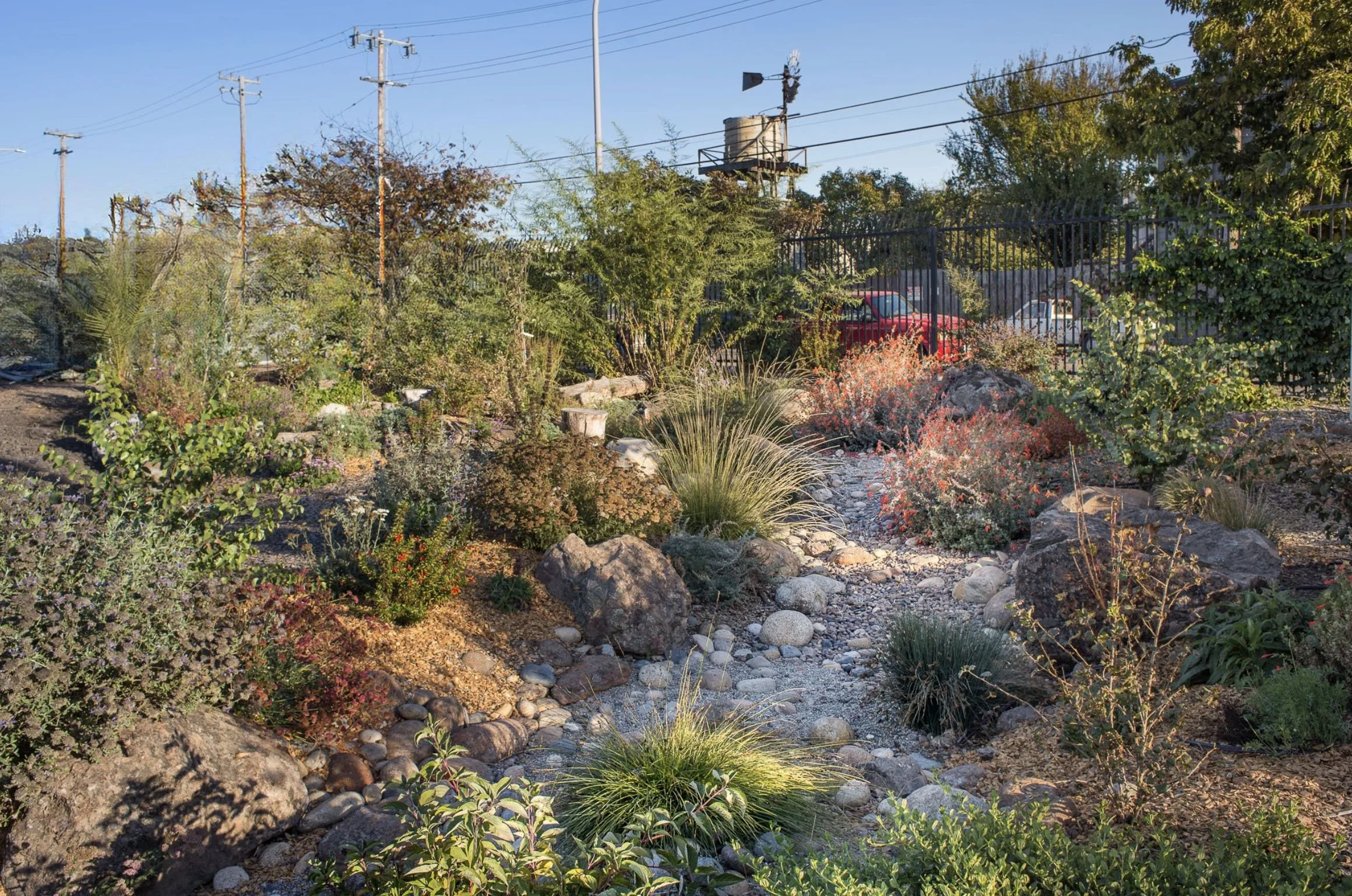
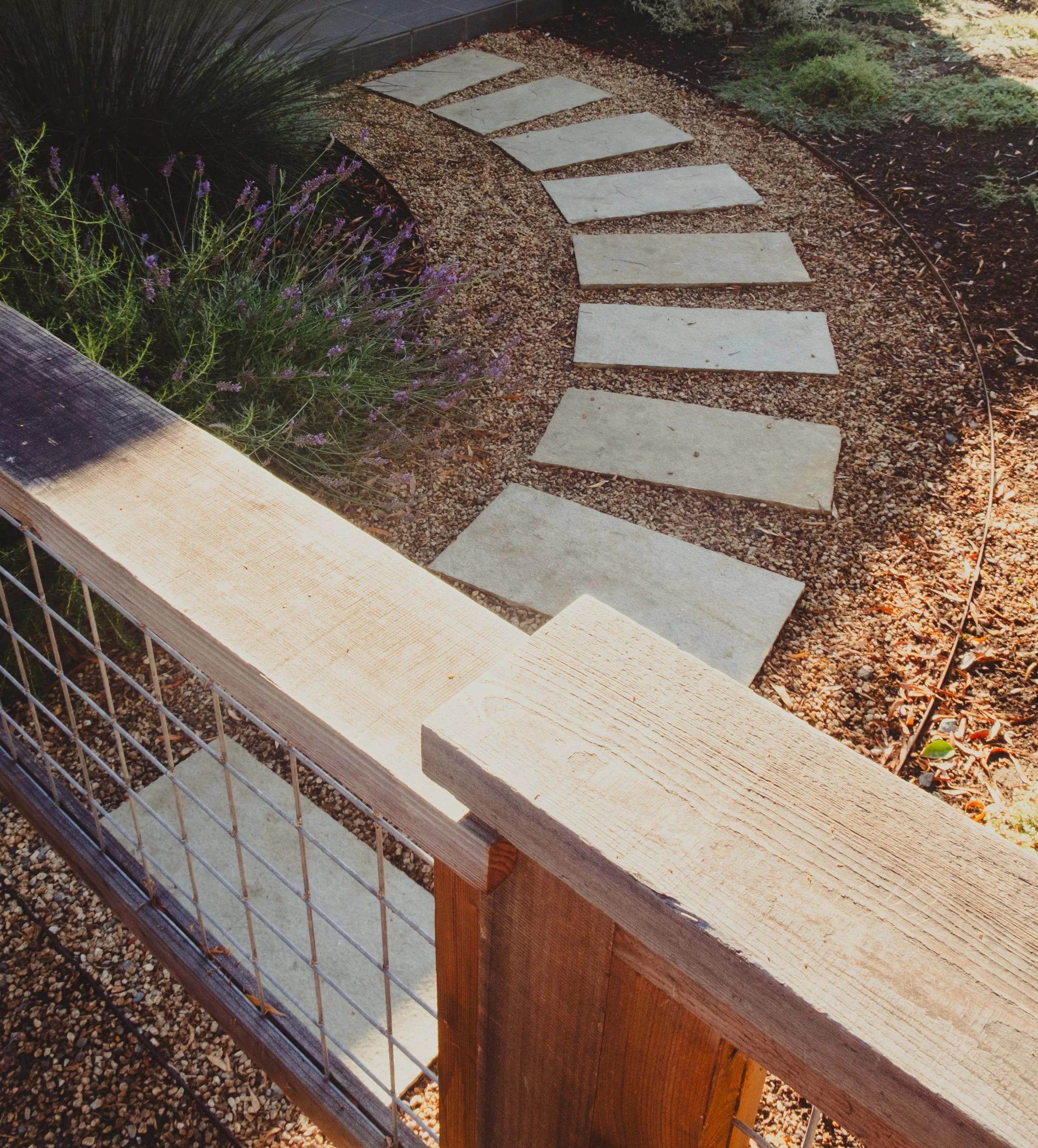
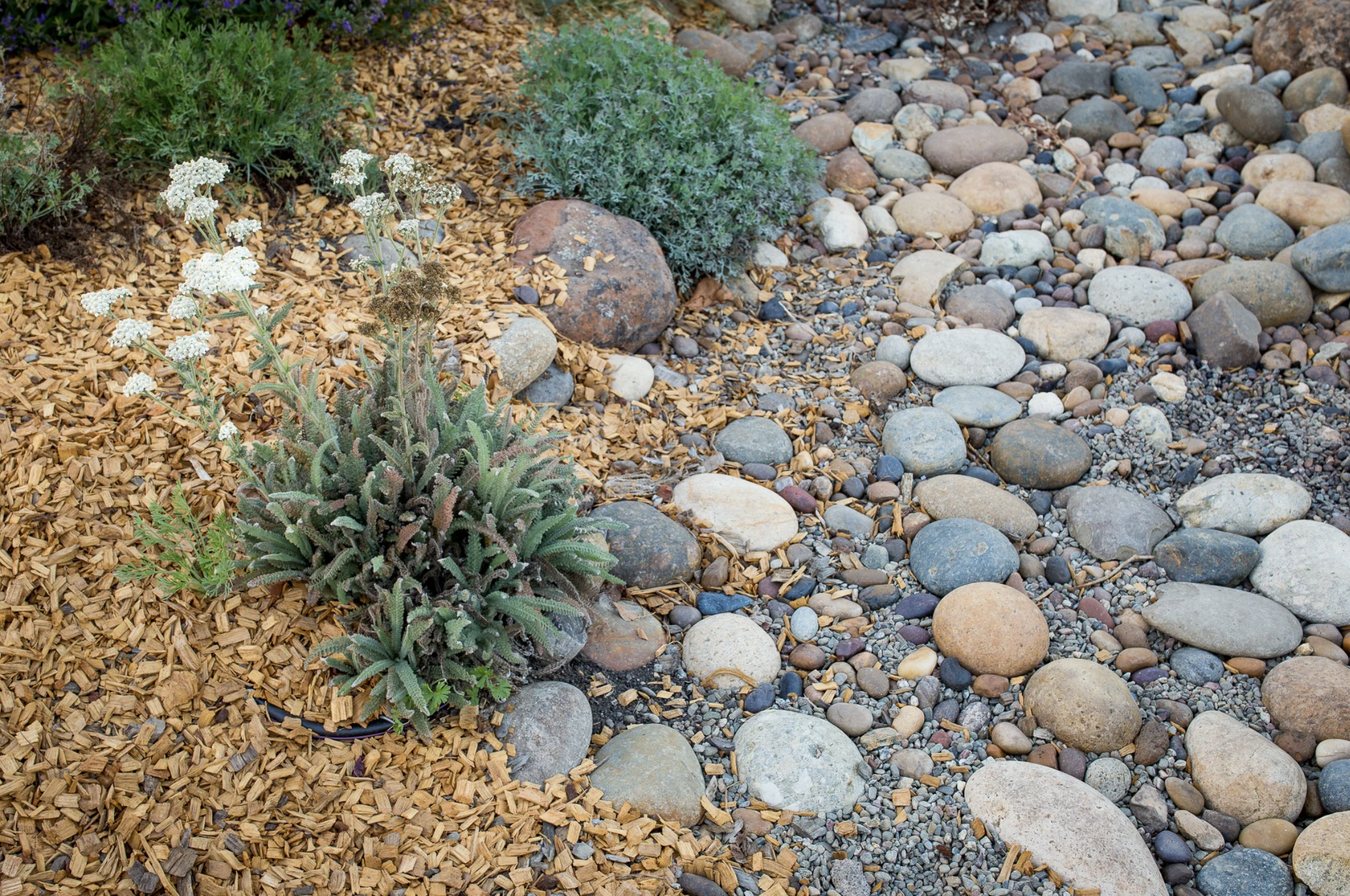
Photo Credits: Matt Zimbalist
Writer:
Matt Zimbalist lives in Albany Hill and studied Conservation Resource Studies at UC Berkeley. He is a licensed General Contractor and Landscape Construction Contractor (Traditional Craftworks) specializing in home fire hardening and fire-smart landscaping. He is also the co-founder of Re-Up Refills, Rockridge’s package-free grocery store.
Summary:
From Berkeley’s EMBER initiative to the critical five-foot "Zone 0," California homeowners are facing a new reality of fire-safety mandates. Explore holistic systems approach to fire-smart gardening that replaces combustible fuels with elegant hardscaping and resilient plantings, ensuring your landscape is as much a community fire-break as it is a personal haven.
